
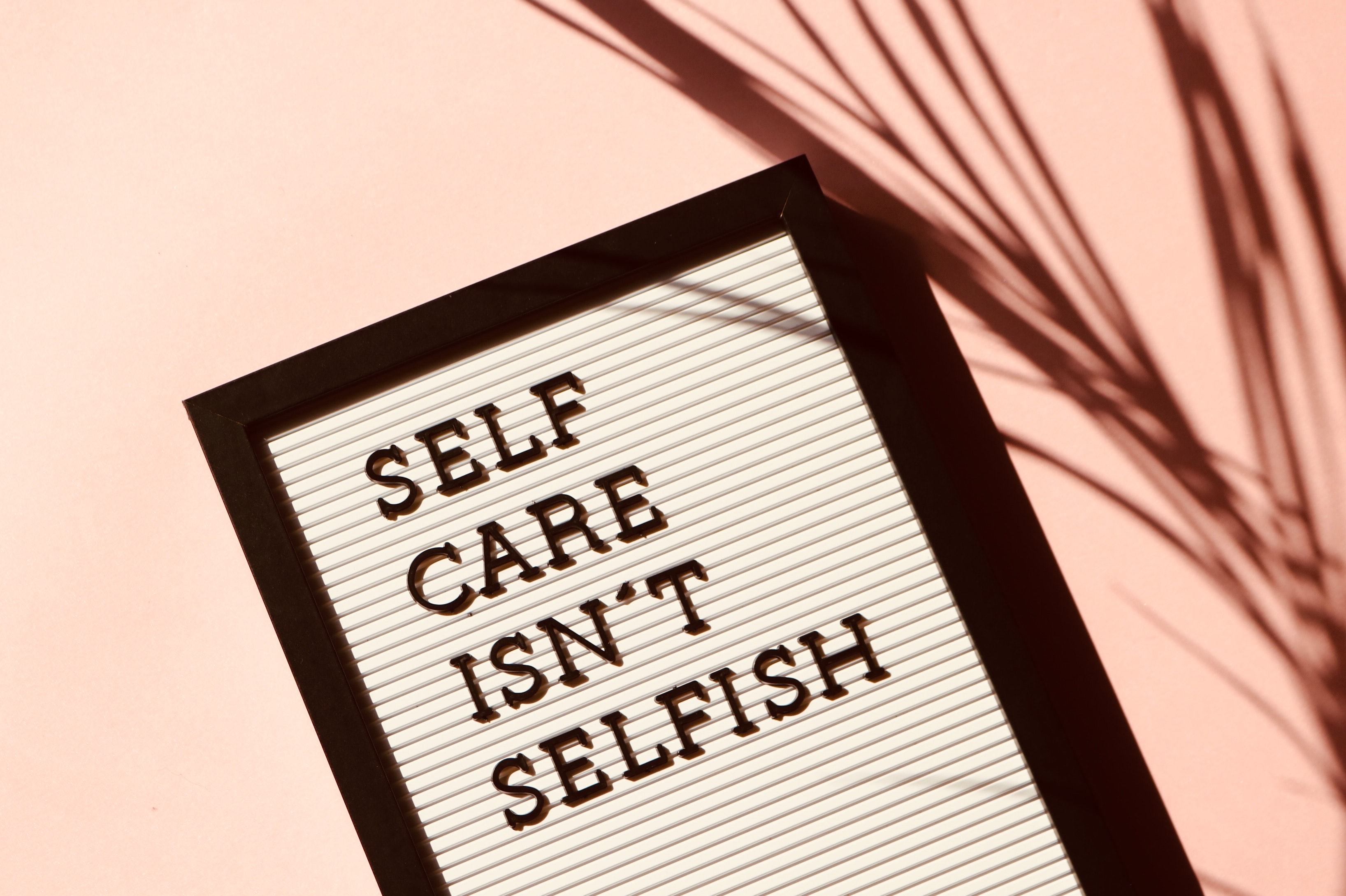
Mental wellness for instructional designers is a crucial aspect that often goes overlooked. Navigating the intricate world of instructional design, especially in today’s fast-paced digital age, can be both rewarding and taxing. Our previous explorations into visual elements and eLearning principles have demonstrated the complexity and depth of this field. Yet, amidst the constant innovation and pressure to deliver, how do instructional designers ensure they’re taking care of their mental health?
Understanding the Pressure Points
Every career has its set of challenges, and instructional design is no exception. Designers often grapple with:
- Tight Deadlines: Projects often come with quick turnaround times. For instance, a company launching a new software might need training modules ready within weeks, putting pressure on the designer to produce quality content in a short timeframe.
- Evolving Technology: Staying updated with the latest software, learning management systems, and technological trends is a never-ending task.
- Complex Content Translation: Turning a dense technical manual or a detailed company policy into a palatable, engaging eLearning experience can be daunting.
Why Mental Wellness Matters
Understanding the importance of mental wellness is vital for everyone, but it holds a particular significance for professionals in high-pressure roles such as instructional designers. Here’s why:
- Cognitive Functioning: At the core of instructional design is the ability to think critically, creatively, and to make well-informed decisions. Mental well-being directly affects cognitive functioning. A stressed or anxious mind can struggle with tasks that might typically be routine, impacting the quality of the work.
- Consistent Performance: Instructional design often involves deadlines, stakeholder expectations, and frequently changing project requirements. Maintaining mental wellness helps ensure consistent performance regardless of the external pressures. It fosters resilience and adaptability, qualities essential for thriving in dynamic environments.
- Creativity & Innovation: The world of instructional design is ever-evolving, and staying ahead requires a certain level of creativity and innovative thinking. A well-rested and mentally balanced professional is more likely to come up with fresh ideas and solutions to complex problems.
- Emotional Regulation: Engaging with diverse stakeholders, managing team dynamics, or even dealing with challenging clients are all part and parcel of an instructional designer’s journey. Mental wellness equips professionals with the emotional intelligence needed to handle such interactions with tact and grace.
- Job Satisfaction & Retention: Mental well-being contributes to higher job satisfaction. When instructional designers are mentally fit, they’re more likely to enjoy their work, leading to higher retention rates and reduced turnover within organizations. It also translates to less burnout and a more extended, fulfilling career.
- Overall Quality of Life: Beyond the professional realm, mental wellness significantly impacts one’s overall quality of life. A balanced mind is more equipped to foster healthy relationships, pursue personal interests, and enjoy leisure time.
Given the nature of their work, instructional designers are often at the forefront of innovation and problem-solving, making them susceptible to stress and burnout. Recognizing the vital role mental wellness plays, not just in their profession but in life, can be the first step towards creating a healthier, more balanced lifestyle.
Combatting Stress and Burnout
- Set Clear Boundaries: Delineating between work and leisure is vital. This is especially true for those of us who work remotely. One instructional designer that I am friends with recounted how her efficiency dipped when she turned her bedroom into her office. Only upon creating a dedicated workspace did she reclaim both her productivity and her sanctuary of rest. Having a dedicated space where work happens that she can walk away from and close the door at the end of the day was vital to having that separation between home and work.
- Take Regular Breaks: The American Psychological Association emphasizes the importance of breaks to prevent burnout. Techniques like the Pomodoro Technique, where you work intensively for 25 minutes and then take a 5-minute break, have proven beneficial for many. It doesn’t have to be this technique, but find something that works for you. Something to be aware of is that during these breaks you need to be away from your screens and completely disconnected from work. Take time to go get a snack, read something from a book, walk your dog, listen to a little bit of a podcase. Find what works for you, but make your break an actual break from work.
- Stay Connected: The International Journal of Stress Management published a study emphasizing the importance of social connections in alleviating work-related stress. Engaging with a community of instructional designers, attending webinars, or even participating in online networking forums (like on LinkedIn or Slack) can be therapeutic. It offers a platform to share experiences, seek advice, and even discuss the latest in design software.
Work-Life Balance is Key
Finding the perfect work-life balance, especially in a demanding profession like instructional design, might seem elusive. However, with intentional strategies and a conscious effort, it’s entirely attainable. Here’s how:
- Embrace Time Blocking: Allocate specific blocks of time for particular activities. For example, you might reserve Monday mornings solely for client meetings and Tuesday afternoons for course design. By designating specific times for activities, you reduce the mental load of constant multitasking.
- Prioritize Tasks: Start each day by listing your top three priorities. Efficient time management ensures you’re focused on tasks that offer the most value and reduces feelings of being overwhelmed.
- Use Task Management Tools: Utilize tools like ClickUp (my personal favorite), Trello, or Asana to organize tasks, set deadlines, and collaborate with teams. Visualizing your tasks can help in better distribution of workload over the week.
- Delegate When Possible: Recognize you can’t handle everything. If certain tasks can be entrusted to someone else, delegate them. This allows you more time for projects that genuinely require your expertise.
- Invest in Professional Development: Pressure often arises from not being adept with the latest tools or methodologies. Regularly refining your skills can boost efficiency, saving valuable time.
- Maintain Physical Health: Engaging in regular exercise benefits not only the body but also the mind. Activities like jogging, short workouts, stretching or yoga, or even just walking can rejuvenate the mind, enhancing productivity upon return to work.
- Embrace Mindfulness and Meditation: Dedicating even 10 minutes a day to meditation can bolster mental health, equipping you to manage stress effectively and concentrate better.
- Harness Technology Judiciously: While technology can distract, it can also be a great ally. Employ apps to monitor your work hours, set reminders for tasks, or to regulate social media usage.
- Master the Art of Saying No: Not every task or project necessitates immediate attention. It’s permissible to inform a client or team member that you’re currently busy and will attend to it as soon as possible.
- Regularly Review and Adjust: Both personal and professional lives are in perpetual evolution. Current routines may not be suitable in a few months. Periodically assess your strategies and tweak as needed.
The journey to work-life balance means that work and personal life won’t always be perfectly even. There will be times when work demands more attention and others when personal life does. The essence lies in ensuring neither is neglected for prolonged periods.
Seek Professional Help When Needed
Never underestimate the value of professional guidance. There are many organizations that offer resources, including counseling services, specifically tailored for professionals. If feelings of overwhelm persist, or if you find yourself continually battling anxiety or depressive thoughts, consulting a professional can offer much-needed perspective and coping strategies.
Harnessing Technology for Wellness
As I mentioned above, while technology can be a source of stress, it can also be an ally. Apps like Calm and Headspace provide meditation and mindfulness exercises tailored for professionals. Time-tracking tools can help you understand your work patterns and identify when breaks are most needed.
Conclusion
Mental wellness for instructional designers isn’t just about preventing burnout; it’s about creating a sustainable career where you can consistently produce your best work. As we move forward and explore various facets of instructional design and its surrounding ecosystem, always remember that your well-being is the foundation upon which all else stands.
In our ever-evolving digital world, do you find that your well-being impacts your work output? How do you manage the challenges of a demanding career and prioritize mental wellness? Share your experiences and thoughts in the comments below!